
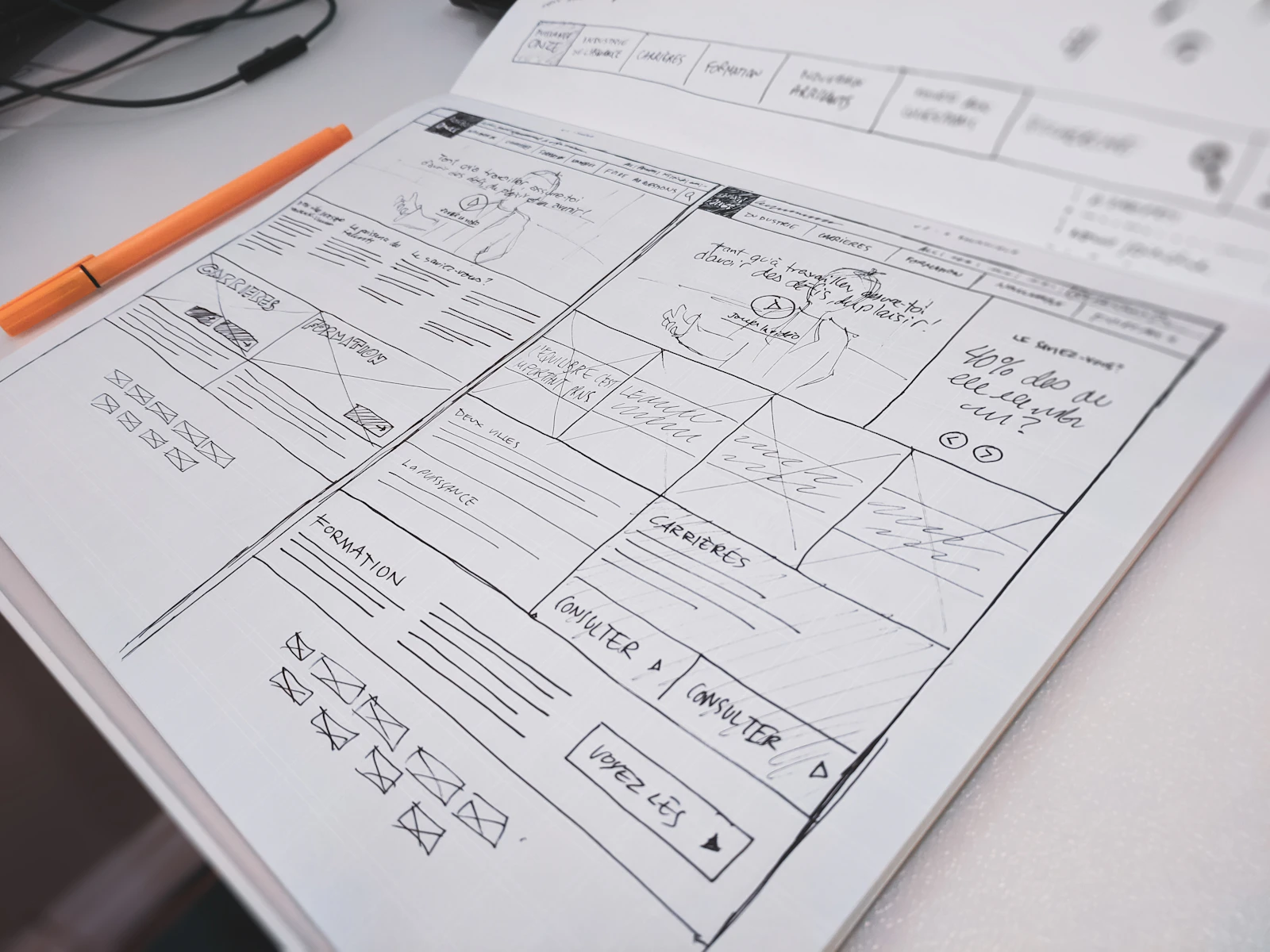
A good website starts with clear decisions, not just a polished visual. When each page has a job before design starts, it becomes easier to write useful content and guide visitors toward the next step. These are five questions worth answering first.
1. What is the website's main job?
Do you want inquiries, bookings, sales, or a place to show your work? Choose one primary outcome a visitor can understand in seconds. A website can support other goals, but competing calls to action make the first decision harder.
2. Who will use it, and what do they need to know?
Write down real customer questions before drafting headlines. What do you offer? Who is it for? Where do you work? How does someone begin? Direct answers beat vague promises. If your audience reads Arabic and English, plan both content versions and reading directions from the start rather than attaching a translation at the end.
3. What content do you already have?
Gather service descriptions, photographs, work examples, contact details, and recurring questions. Mark anything that still needs writing or photography. Design cannot replace missing content; it helps good content become easier to understand.
4. What should a visitor do next?
Trace a simple journey: someone lands, understands the offer, finds reasons to trust it, then contacts you or buys. Make the next action clear, keep forms short, and use a contact channel your audience actually prefers. Visitors should not have to hunt for your number after deciding to reach out.
5. Who will run the site after launch?
Decide who updates text, prices, and images, and what access they need. Also decide how you will measure success: inquiries, inquiry quality, or completed purchases. Launch is the start of improvement, not the end of the project.
Put these answers in a short brief. With that in hand, conversations about design, budget, and timing become more precise, and the result is more likely to reflect how your business really works.